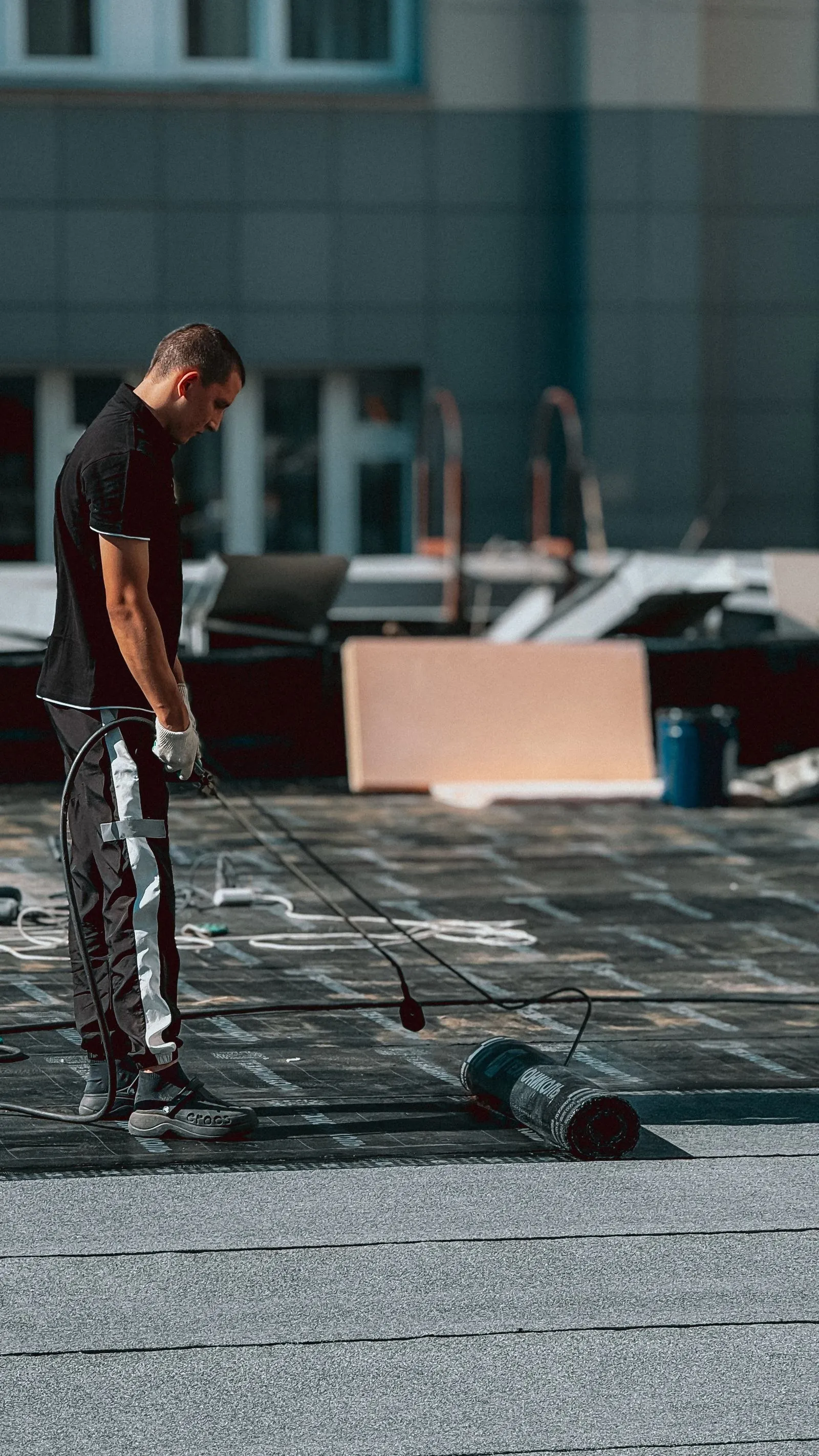
A roof coating is a seamless, reflective membrane that adds 7–15 years of life to an existing roof, cuts cooling costs by reflecting solar heat, and seals small cracks before they leak. For Houston's combination of intense sun and sudden storms, a quality elastomeric coating is one of the highest-ROI roof improvements available.
Key Takeaways
- A coating reflects 70–85% of solar radiation, lowering attic temps and AC load.
- Seamless application seals cracks, seams, and flashing without a tear-off.
- Adds 7–15 years to the service life of most flat or low-slope roofs.
- Cool-roof coatings can qualify for ENERGY STAR and reduce cooling bills 10–30%.
- Best fit: low-slope commercial roofs, metal roofs, and aging-but-intact residential roofs.
What Is a Roof Coating, Exactly?
A roof coating is a liquid-applied, fully adhered membrane — usually elastomeric, silicone, or acrylic — that's rolled or sprayed over an existing roof. Unlike a re-roof, no tear-off is required. The coating cures into a single, seamless surface that bonds to the substrate and flexes with thermal movement.
ARC installs NanoShield branded coatings, which are formulated for Gulf Coast UV exposure and rapid temperature swings. They go on white or light gray to maximize solar reflectance.
1. Lower Cooling Bills From Day One
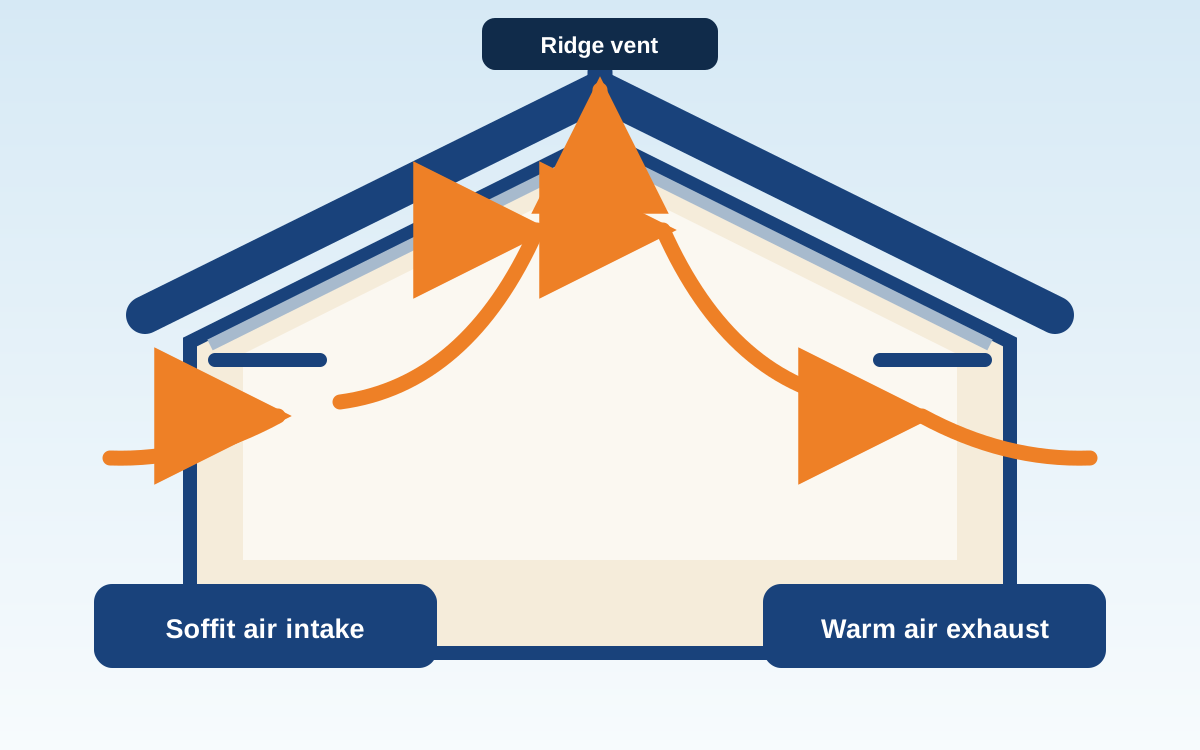
Traditional dark asphalt and built-up roofs can hit 160–180°F on a Houston August afternoon. A reflective coating bounces most of that radiation back into the sky before it ever loads your attic. Building owners typically see a 10–30% reduction in cooling costs in the first full summer.
That savings stacks every year the coating is on the roof, which makes the payback period for most commercial buildings 3–5 years.
2. Adds 7–15 Years of Roof Life
Most roofing materials don't fail because of one event — they fail from cumulative UV damage and thermal cycling. A coating absorbs that abuse so the substrate underneath doesn't have to. We routinely see 20-year-old metal and modified-bitumen roofs serve another decade after a quality coating.
3. Seals Small Leaks Without a Tear-Off
Coatings flow into hairline cracks, around penetrations, and across seams, then cure into a continuous membrane. For roofs with widespread minor issues but no structural damage, a coating is dramatically cheaper than a full replacement and stops leaks at the same time.
4. Genuinely Eco-Friendly
Restoring an existing roof keeps tons of asphalt, foam, and metal out of the landfill. Reflective coatings also reduce the urban heat-island effect — measurable in dense areas like Downtown Houston and the Energy Corridor — and lower grid demand on peak-load days.
5. Strong Warranty and Predictable Maintenance
Quality elastomeric and silicone coating systems carry 10- to 20-year manufacturer warranties when applied by a certified installer. Maintenance is straightforward: an annual visual inspection and occasional touch-up at penetrations.
When a Coating Is the Right Call (And When It Isn't)
Roof coatings shine in specific situations:
- Best fit: Commercial flat or low-slope roofs, standing-seam metal roofs, and residential roofs that are structurally sound but showing age.
- Not a fit: Roofs with active structural damage, saturated insulation, or shingle systems that have lost most of their granules — those need replacement, not coating.
Frequently Asked Questions
Need Help With Your Houston Roof?
Free inspection. No high-pressure sales. Honest answers from local roofers.
Roofing Services Across Greater Houston
ARC Roofing Services serves homeowners and businesses across the entire Houston metro. Find your area: